What Goes Into Creating a Fully Trained Companion Dog?
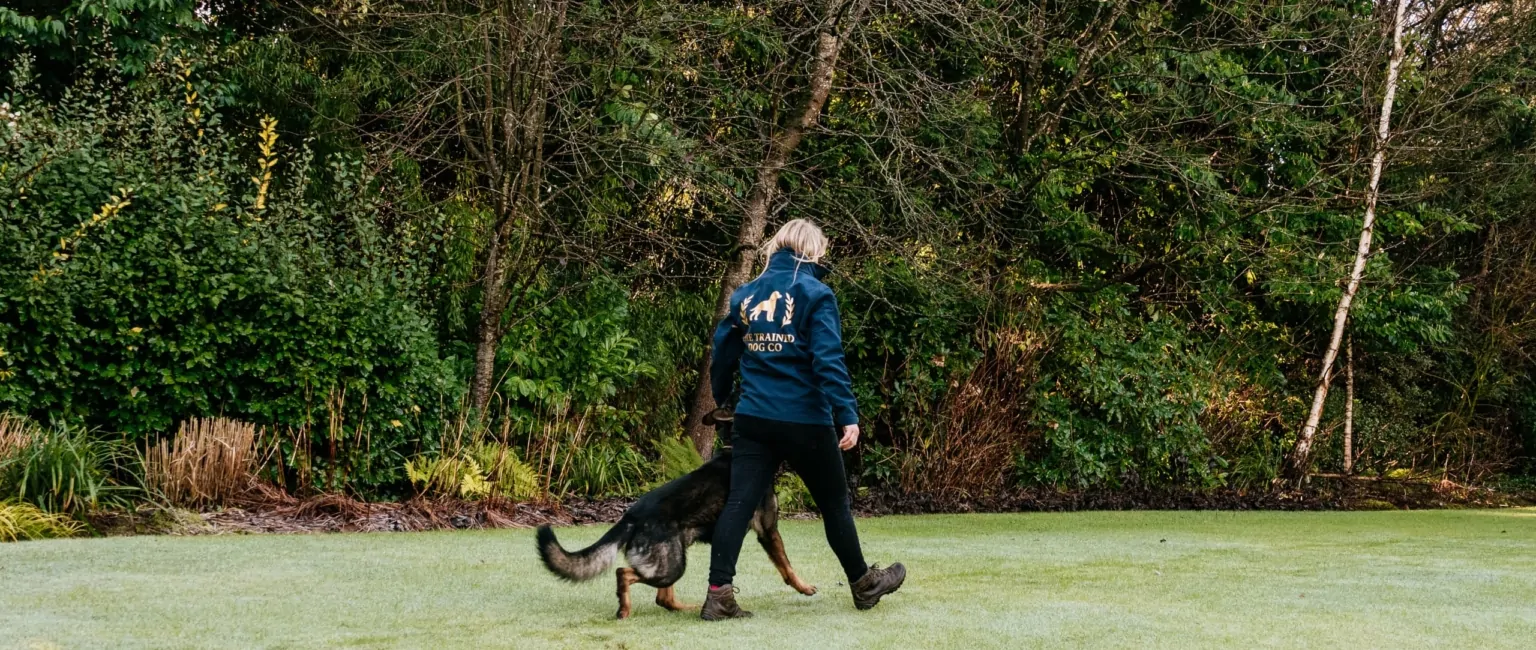
When people first hear about a fully trained dog, one of the most common questions is:
“What actually goes into it?”
Because on the surface, it can seem simple — a well-behaved dog, ready for family life.
But the reality is very different.
Creating a truly calm, reliable, family-ready companion is not something that happens in a few training sessions. It’s the result of months of careful planning, structured development, and experienced handling — long before your dog ever arrives home.
It Starts Long Before Training Begins
The process doesn’t begin when a puppy arrives — it starts with careful selection.
We place a huge emphasis on:
- Health-tested parents (hips, elbows, and genetic screening)
- Proven bloodlines known for stability and trainability
- Temperament assessments of both parents
From there, each puppy is observed closely:
- Early temperament indicators
- Confidence levels
- Sensitivity to new environments
- Natural engagement with people
Because no amount of training can override poor genetics — getting this stage right is essential.
Raised in a Real Home, Not a Kennel
Our dogs are not raised in kennel blocks or isolated environments.
They are brought up in a family home, surrounded by the very things they’ll experience in their future lives:
- Household routines
- Everyday noise
- Visitors
- Children
- Calm, structured human interaction
This early environment shapes how a dog sees the world — and gives them a natural ability to settle into home life later on.
Built on Experience, Not Guesswork
Behind every dog is a significant amount of experience.
Through our sister company, Surrey & Sussex Dog Trainer, we’ve worked with thousands of dogs across all breeds, temperaments, and behavioural challenges.
That experience informs:
- How we structure training
- When to introduce new environments
- How to build calm behaviour, not just obedience
- How to avoid common pitfalls that many owners run into
This isn’t a one-size-fits-all approach — it’s a refined, proven system developed over years of hands-on work.
Daily Training & Structured Development
Training isn’t something that happens once or twice a week.
It’s built into every single day.
From an early age, your dog is developing:
- Loose lead walking
- Calm engagement with their handler
- Recall foundations
- Settling behaviours in the home and out in public
- Confidence in new environments
Progression is gradual and intentional — ensuring each stage is solid before moving forward.
Socialisation — Done Properly
Socialisation is one of the most misunderstood parts of raising a dog.
It’s often thought to mean:
“Let your dog meet everything and everyone.”
In reality, that approach can create more problems than it solves.
For us, socialisation means something very different.
It’s about teaching a dog to:
- Remain calm and neutral around other dogs
- Ignore distractions rather than seek them out
- Observe the world without reacting to it
Your dog is carefully exposed to:
- Other dogs (without unnecessary interaction)
- Children and family environments
- Household pets and animals
- Busy public spaces
The goal is simple:
A dog that can exist comfortably in the world — without feeling the need to engage with everything in it.
Real-World Exposure
Training doesn’t stay in a field.
Your dog is gradually introduced to the environments they’ll experience in everyday life:
- Cafés and pubs
- Busy high streets
- Public transport
- Outdoor spaces with distractions
They learn how to:
- Settle under a table
- Walk calmly through crowds
- Stay composed in new and unpredictable situations
This is where training becomes practical, not theoretical.
Health, Development & Welfare
Alongside training, your dog’s development is closely monitored.
This includes:
- Regular veterinary checks, including monthly development reviews
- Monitoring growth, weight, and overall health
- Ensuring positive associations with handling and vet visits
Everything is done with long-term wellbeing in mind — not just short-term results.
A Carefully Managed Journey
Each dog is brought through a structured, consistent journey, combining:
- Genetics
- Environment
- Training
- Experience
There are no shortcuts in this process.
It requires:
- Time
- Attention to detail
- Skilled handling
- And a deep understanding of dog behaviour
Why This Matters
When you bring home a fully trained companion dog, what you’re really seeing is the result of:
- Hundreds of hours of work
- Countless real-world experiences
- Careful decisions at every stage
- And years of professional expertise behind the scenes
It’s not just a well-behaved dog.
It’s a dog that has been intentionally prepared for life with you.
Final Thoughts
Creating a fully trained companion dog is not about shortcuts or quick fixes.
It’s about doing things properly — from the very beginning.
From carefully chosen bloodlines, to a structured home environment, to daily training and real-world exposure, every stage plays a role in shaping the dog you eventually meet.
And that’s why, when the right dog is matched with the right home, the transition feels so seamless.
Because the work has already been done.
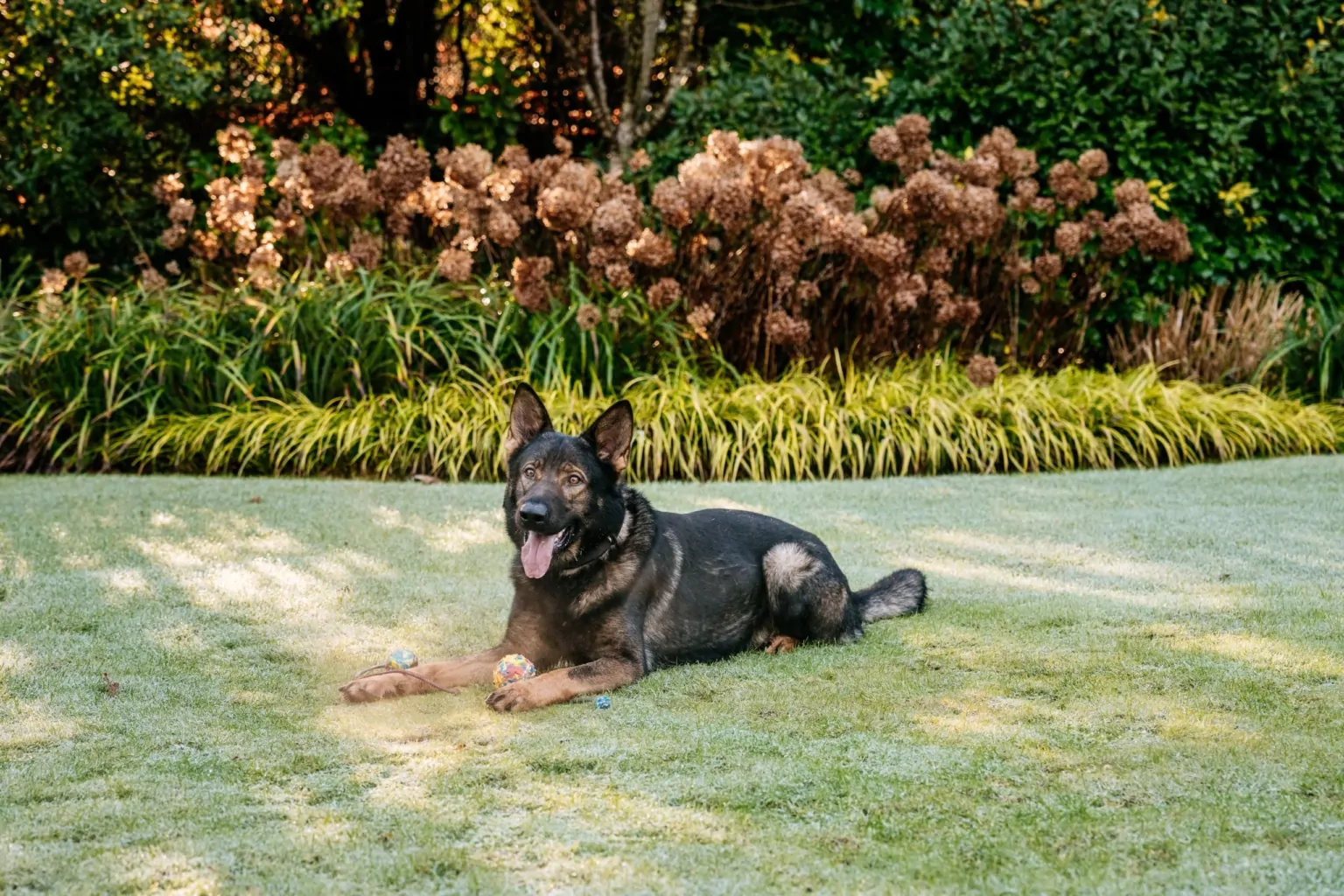
Enquire About Your Perfect Companion
Ready to welcome a calm, capable companion into your home? Enquire today to begin the conversation.